If you need to be in and around Dallas-Fort Worth without feeling locked into one side of the Metroplex, Irving deserves a close look. For many relocation buyers, the challenge is not just finding a home. It is finding a place that makes commuting, airport runs, and everyday life feel manageable. This guide will help you understand how Irving fits into that equation, what parts of the city may suit different routines, and what kind of housing and lifestyle you can expect. Let’s dive in.
Why Irving works for DFW access
Irving sits in a highly practical location for people relocating to the region. The city highlights its position between DFW International Airport and Dallas Love Field, which gives you strong flexibility if your work or personal life includes frequent travel.
That location matters even more in a large region like DFW. DFW Airport says it is centered between Dallas and Fort Worth, and the airport produces more than $78 billion in total economic impact each year. If your schedule includes flights, regional meetings, or cross-Metroplex travel, Irving offers a base that can reduce friction.
Irving also has a meaningful transit network, which is not something every suburban buyer prioritizes at first. DART’s Orange Line serves Irving, with service to DFW Airport and downtown Dallas. TRE and GoLink add more commuter and last-mile options, helping connect different parts of the city to the broader region.
What daily life in Irving looks like
Irving is not a one-note housing market. According to the city’s 2020-2024 ACS profile, Irving has 94,845 households, an owner-occupied housing rate of 38.1%, a median owner-occupied home value of $315,600, median monthly owner costs with a mortgage of $2,243, and median gross rent of $1,619.
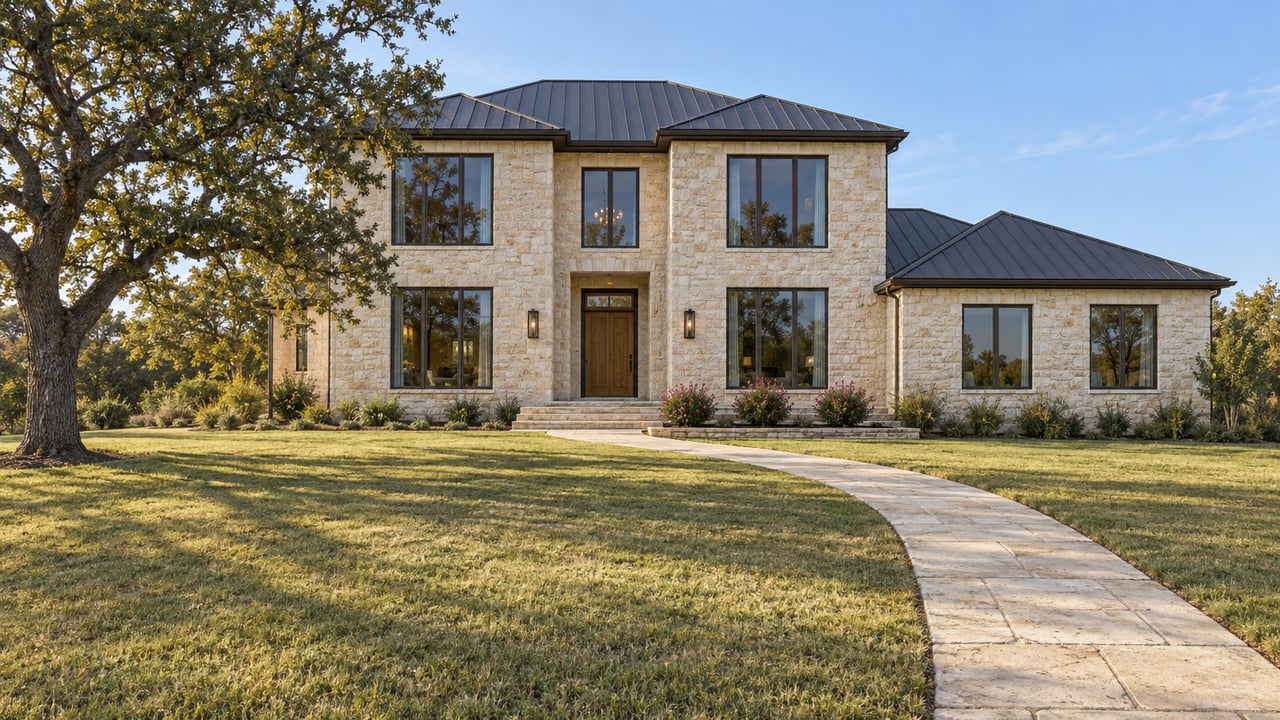
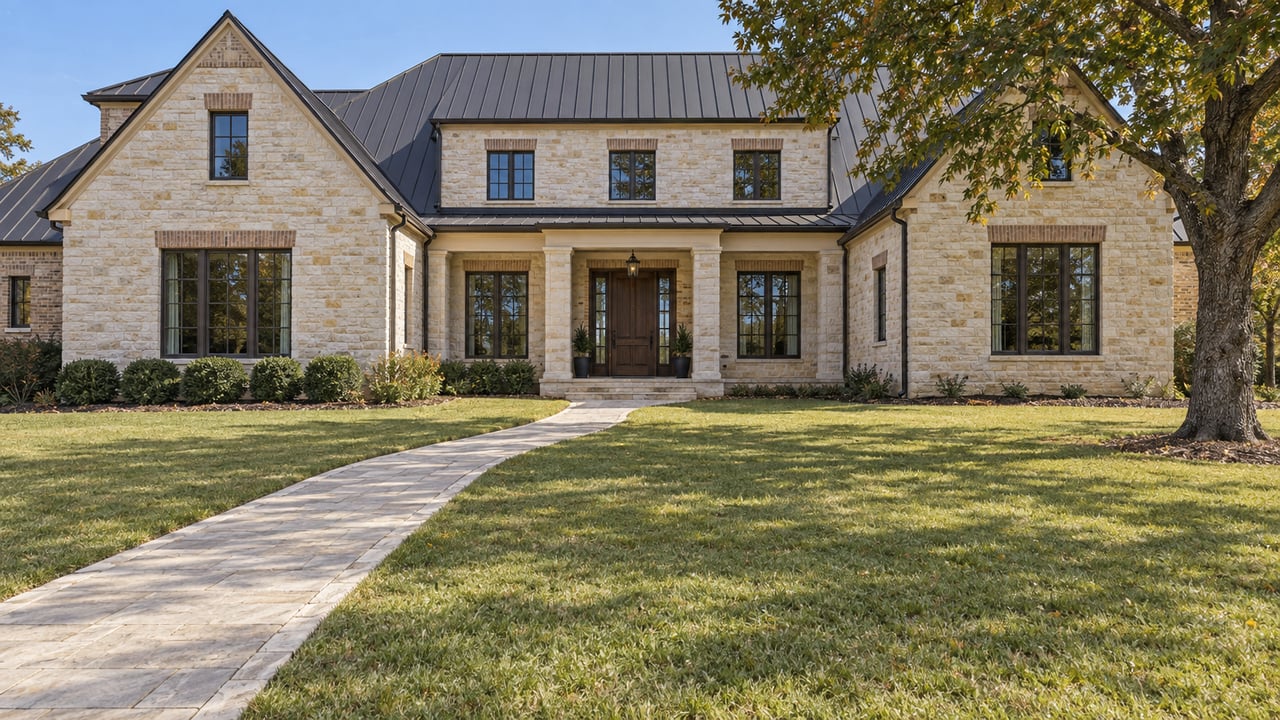
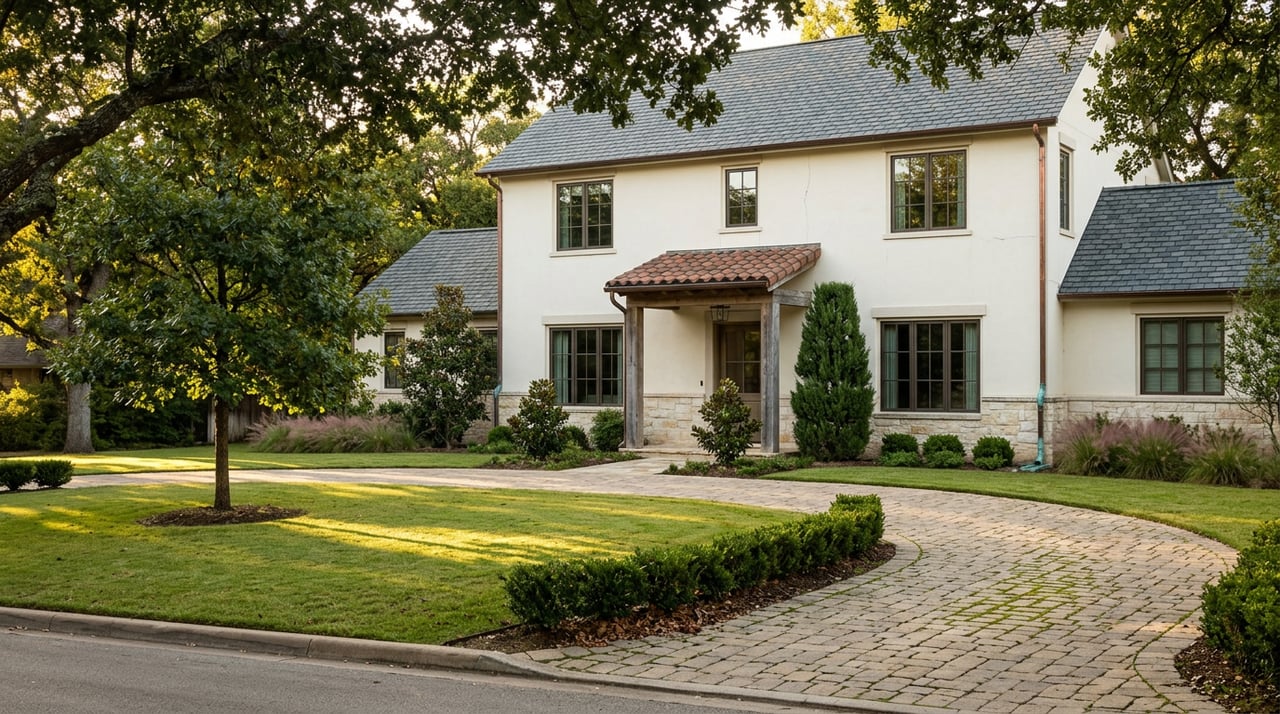
Those numbers suggest a city with a broad mix of housing choices and a large renter presence. In practical terms, that usually means you will see more variety in home types, from multifamily communities and condos to more traditional single-family neighborhoods.
Commute expectations also look relatively manageable for a major metro area. Irving’s mean commute time is 24.1 minutes. Of course, your real drive or rail time will depend on where you work and how often you travel, but the city’s layout and transit options can support several different lifestyles.
Beyond work access, Irving also offers everyday recreation. The city says it has more than 80 parks, over 2,000 acres of parkland, and more than 33 miles of scenic trails, which adds value if you want outdoor options close to home.
Best areas for different relocation needs
If you are moving to Irving for DFW access, it helps to think in terms of lifestyle patterns rather than just zip codes. A practical short list usually falls into three broad buckets.
Choose Las Colinas for office access
If you want a more urban, office-adjacent environment, Las Colinas is one of the clearest fits in Irving. DART describes Las Colinas Urban Center Station as the center of business in the heart of Las Colinas and the area with the largest concentration of office space in North Texas.
That station area also includes nearby multifamily complexes, dining, Lake Carolyn access, and trail connections. For a buyer who wants a transit-oriented lifestyle with work, restaurants, and recreation close together, this part of Irving stands out.
Consider Convention Center for mixed use
The Irving Convention Center area has a compact mixed-use feel. DART says Irving Convention Center Station serves the convention center, Toyota Music Factory, and the Las Colinas Urban Center, with apartment complexes, condos, hotels, and office uses in the station area.
That makes this area especially relevant if you prefer lower-maintenance housing and want to stay close to activity centers. It can be a strong match if your routine values convenience, dining options, and a more connected daily rhythm.
Watch Hidden Ridge for newer options
Hidden Ridge is one of the most notable newer mixed-use signals in Irving. DART says the station opened in 2021 and was built around a planned 110-acre mixed-use project with 1,200 apartments and residences, 80,000 square feet of restaurant and retail space, a hotel, and green space.
For relocation buyers, that points to an area worth watching if newer development and mixed-use planning matter to you. It may especially appeal if you want a modern setting with room for future growth in amenities and housing choices.
Best spots for airport-focused buyers
For some buyers, the airport is not just a convenience. It is part of the weekly routine. If that sounds like you, Irving has a few areas that stand out.
Use DFW Airport Station for direct rail
DFW Airport Station is the Orange Line terminus at Terminal A. DART says it has a covered pedestrian walkway to Terminal A and a connection to Terminal B, making it the most direct rail link in Irving for airport access.
If you fly often and want a straightforward transit path, this part of the Irving grid is worth serious attention. It can simplify travel days and reduce reliance on longer drive times or parking logistics.
Look at Belt Line and UD Station
University of Dallas Station sits north of SH 114 and west of Loop 12, with a pedestrian walkway to campus and GoLink service. Belt Line Station is east of Belt Line Road and west of SH 161, and it offers free commuter parking.
Together, these stations help define the airport-side portion of Irving. This area may suit buyers who care most about access, efficiency, and practical scheduling over a purely suburban neighborhood pattern.
Areas with a more traditional feel
Not every relocation buyer wants a dense, office-centered setting. If you want commuter convenience with a more traditional residential feel, Irving has options for that as well.
Explore Downtown Irving and Heritage Crossing
Downtown Irving/Heritage Crossing Station offers TRE service, 10 bus bays, free commuter parking, and a 19-minute train ride to downtown Dallas. The nearby landmarks include Old Downtown Irving, city hall, the public library, the municipal court, senior services, schools, and Centennial Park.
That mix gives the area a civic-core character. For buyers who like having local services nearby and want rail access without choosing a more urban Las Colinas setting, this part of Irving may feel like a better fit.
North Lake offers residential balance
North Lake College Station serves Dallas College North Lake Campus and both single-family and multifamily residential communities. It also has a pedestrian and bicycle connector plus Orange Line access.
That combination makes North Lake useful if you want a more traditional neighborhood setting while still keeping transit on the table. It offers a middle ground between pure convenience and a more residential day-to-day environment.
How to match Irving to your routine
The best part of Irving for you depends on what kind of access matters most. In many relocation moves, the right answer becomes clearer when you narrow your priorities to a few daily realities.
If you want office adjacency and a more transit-oriented setup, focus on Las Colinas, the Irving Convention Center area, and Hidden Ridge. If airport access leads the list, look closely at DFW Airport Station, Belt Line, and University of Dallas. If you want commuter rail plus a more traditional residential setting, Downtown Irving, Heritage Crossing, and North Lake deserve attention.
This approach can save you time. Instead of trying to tour every corner of the city, you can start with the part of Irving that best fits your work pattern, housing preference, and travel schedule.
A few practical details to keep in mind
When you relocate, convenience is about more than highways and train lines. It is also about how easily you can handle everyday errands, local movement, and downtime.
DART’s GoLink service adds curb-to-curb, on-demand transit coverage in parts of Irving, including South Irving and North Central Irving within its Western zones. That can be helpful if you value flexible local connections beyond fixed rail stops.
The city also notes that its Housing and Redevelopment department administers certain repair-assistance and down-payment-assistance programs for qualified homeowners and new homebuyers. If you are comparing options and want to understand what programs may apply, that is another practical piece of the picture.
Why Irving is worth considering
For many buyers relocating to DFW, Irving works because it gives you choices. You can prioritize airport convenience, downtown Dallas access, a more mixed-use environment, or a more traditional residential feel without leaving the same city.
That flexibility is hard to ignore when you are moving on a deadline. If your goal is to find a home base that supports work, travel, and day-to-day livability, Irving offers a strong case.
If you are weighing Irving against other DFW suburbs and want a clear, practical buying strategy, Hacker Property Group can help you narrow the options and move with confidence.
FAQs
What makes Irving a good relocation base in DFW?
- Irving sits between DFW International Airport and Love Field, offers DART Orange Line service, and gives you access to different housing styles and commute patterns.
Which Irving areas are best for airport access?
- DFW Airport Station, Belt Line, and University of Dallas are strong options if you want practical airport access and efficient regional mobility.
Which Irving areas fit a transit-oriented lifestyle?
- Las Colinas, Irving Convention Center, and Hidden Ridge are the clearest fits for a more mixed-use, office-adjacent, transit-oriented lifestyle.
Which Irving areas feel more residential?
- Downtown Irving, Heritage Crossing, and North Lake College can appeal if you want commuter convenience with a more traditional residential setting.
What is Irving’s housing market like?
- Irving has a mixed housing market with owner-occupied homes, condos, apartments, and multifamily communities, with a median owner-occupied value of $315,600 in the 2020-2024 ACS profile.
Does Irving offer parks and trails?
- Yes. The city says Irving has more than 80 parks, over 2,000 acres of parkland, and more than 33 miles of scenic trails.