If two homes in Flower Mound can feel completely different just a few miles apart, how do you know which one actually fits your goals? That is the challenge many buyers face here. Flower Mound is not one uniform suburb, and understanding how its neighborhoods, planning districts, and housing types connect can help you make a much more confident decision. Let’s dive in.
Why Flower Mound Feels So Different
Flower Mound covers about 45 square miles in southern Denton County, near Lake Grapevine and close to DFW International Airport. Its setting in the Cross Timbers region has shaped how the town has grown over time. Town planning has focused on preserving open space while guiding where denser or mixed-use development can happen.
That matters because a Flower Mound address alone does not tell you enough about a property. The town uses a master planning framework, zoning, and Planned Development districts to shape things like building placement, open space, circulation, and product mix. In plain terms, two homes with the same city name may have very different surroundings, lot patterns, and design rules.
Start With Districts, Not Just Subdivisions
One of the best ways to understand Flower Mound is by looking at its planning districts and corridors. The town identifies focus areas such as the Denton Creek District, Cross Timbers Conservation Development District, Lakeside Business District, FM 2499 corridor, and Prairie Vista District. These areas help explain why home styles and neighborhood layouts vary so much across town.
If you are comparing homes, it helps to ask where the property sits within the larger planning map. A home in an established suburban pocket may offer a very different experience than one in a newer mixed-use development or a conservation-oriented area. That context can shape everything from lot size to nearby uses to the overall feel of the streetscape.
Established Flower Mound Areas
Long Prairie and Built-Out Pockets
The Long Prairie District represents one of the more established parts of Flower Mound. Town materials describe it as primarily suburban residential and commercial, with major access routes including FM 1171, FM 3040, FM 407, and FM 2499. Many of the larger service and retail centers here were developed earlier, which helps explain why this side of town can feel more mature and more built out.
For buyers, established areas often mean a mix of older housing stock, infill opportunities, and neighborhoods with a more settled pattern. Some infill sites in Long Prairie may require modifications or exceptions to meet current town design goals. That is one reason it helps to look closely at each listing rather than assuming every home in the area follows the same template.
What Home Styles Often Look Like Here
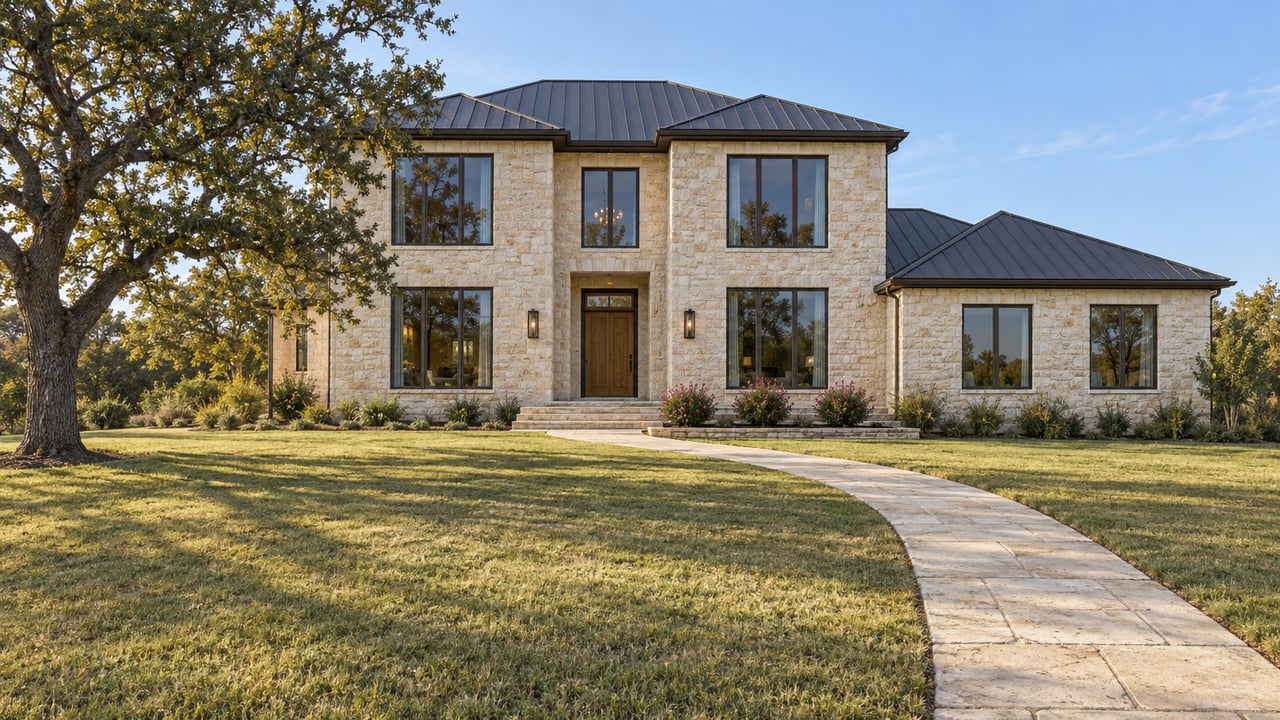
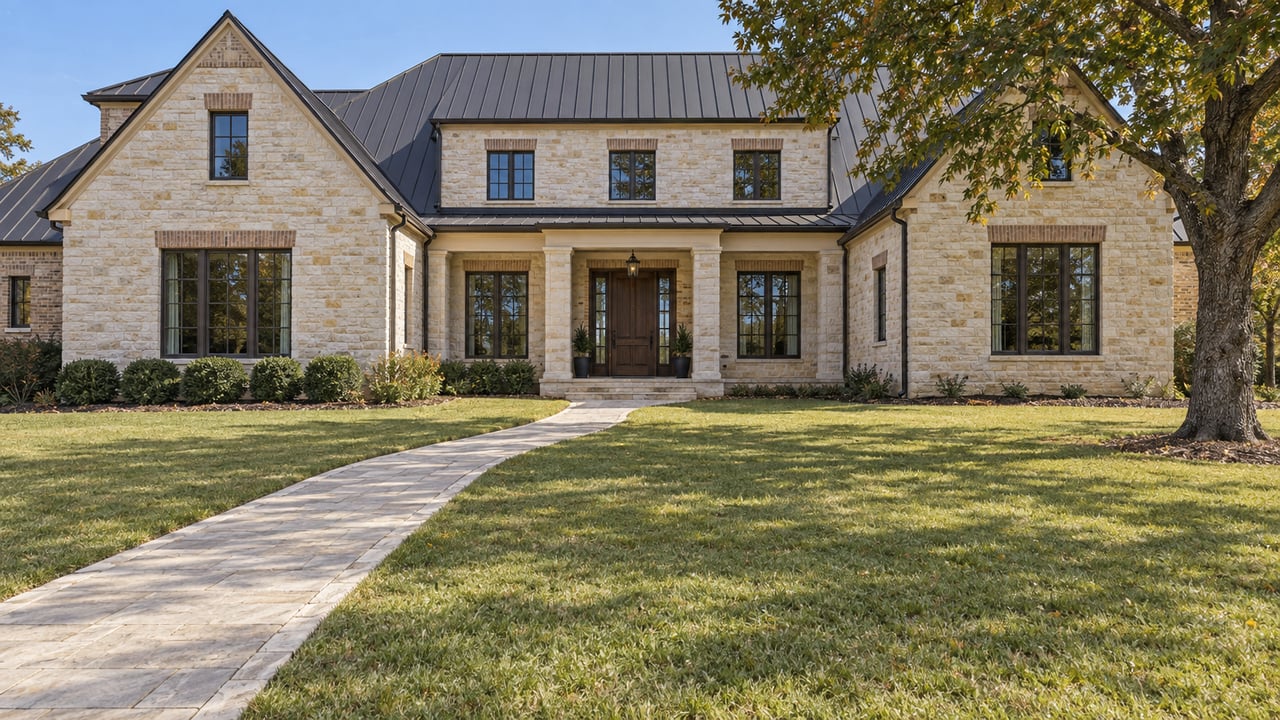
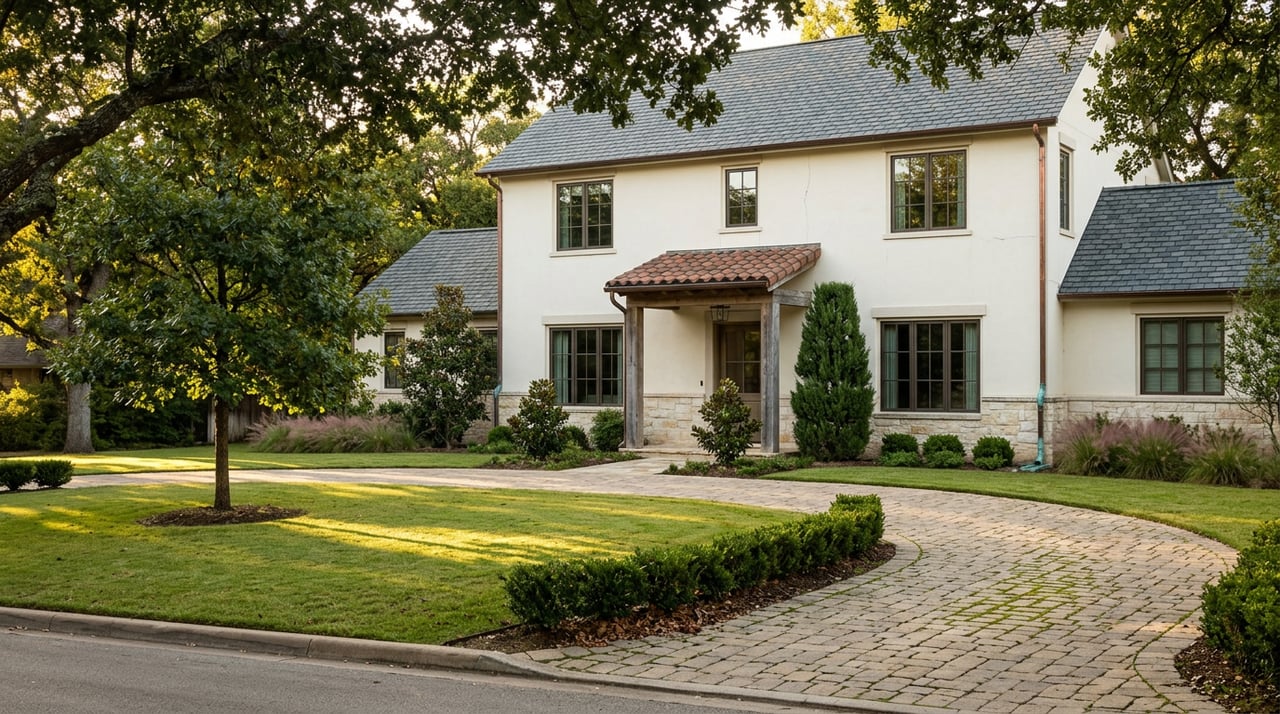
In more established Flower Mound pockets, you are more likely to see traditional single-family homes that reflect earlier suburban growth patterns. Because the town’s median year built is 1997, many neighborhoods blend homes from the 1970s through the 1990s with later updates and renovations. That can create a wide range of architectural character, floor plans, and lot configurations.
You may also notice that mature areas can feel more varied from one street to the next. Some homes may be largely original, while others have been significantly improved. If presentation, updates, and lot use matter to you, this is where careful property-by-property review becomes especially important.
Estate and Conservation-Oriented Areas
Cross Timbers Conservation Development District
If you are drawn to larger lots and a more estate-style setting, the Cross Timbers Conservation Development District stands out. The town describes this district as predominantly residential, typically with single-family development on two-acre lots or larger. It also allows a conservation-development option with one-acre lots when 50% of the land is preserved as open space.
This district has a very different housing profile from denser parts of Flower Mound. It is also not currently served by sewer in the town’s master plan, which can be an important infrastructure clue when you are evaluating a property. Lot size, land use, and development pattern tend to be a bigger part of the conversation here.
What Buyers Should Notice
When you see a listing mention a two-acre lot or conservation development, that usually signals a more estate-oriented pocket. These homes may appeal to buyers who want more separation between properties, a stronger connection to natural surroundings, or a less conventional subdivision feel. The tradeoff is that these areas may function differently than a standard neighborhood with more uniform lot and utility patterns.
If you are considering this type of property, the lot itself becomes part of the home search. You are not just buying square footage. You are also evaluating open space, development restrictions, and the broader setting around the home.
Newer Flower Mound Growth Areas
Denton Creek and Canyon Falls
On the far west side of town, the Denton Creek District shows Flower Mound’s newer growth pattern. The area remained undeveloped until Canyon Falls was approved in 2008, and the town now treats the district as a place where office, retail, industrial, high-density residential, and mixed-use patterns can coexist in planned developments. That makes it one of the clearest examples of a newer and more evolving part of Flower Mound.
Canyon Falls is a 1,242-acre master-planned community spanning Flower Mound, Northlake, and Argyle. Homes range from 2,700-plus square feet to more than 5,000 square feet, with prices from the $600s to more than $1 million. Multiple builders are active there, which usually means a wider mix of home designs and product types than you would find in a single-builder neighborhood.
What This Means for Buyers
In newer growth areas, you may find larger homes, more recent construction, and a different balance between residential and mixed-use planning. You may also see a more polished master-planned layout, with housing products that were designed as part of a bigger long-term vision. For many buyers, that can mean more consistency in streetscape, newer finishes, and a broader range of floor plans.
At the same time, newer areas can still be evolving. If a neighborhood or district is part of a larger plan, future phases and nearby uses may still shape what the area looks like over time. That is another reason local context matters as much as the home itself.
Urban-Style and Mixed-Use Options
Lakeside DFW and River Walk
Flower Mound is still mostly a single-family market, but there are notable pockets with a more urban or mixed-use feel. Lakeside DFW in southeast Flower Mound is a 160-acre urban-style development with a variety of residential choices. The town identifies options there that include custom Mediterranean Villa homes and high-rise residential options such as the 15-story Lakeside Tower condominiums.
The River Walk at Central Park offers another version of that pattern. The town describes it as a 158-acre mixed-use development with commercial, office, retail, dining, medical, civic, and residential uses across a variety of building types. That includes some detached single-family residential within the broader plan.
Additional Attached and Multifamily Projects
Other approved projects continue that trend. Monarch includes townhomes, Silveron Park includes a four-story building with 200 multifamily units, and The Point is planned for about 600 multifamily units. Furst Ranch has an even broader approval structure, with caps for 3,000 single-family homes, 5,000 multifamily units, and 1,000 age-restricted dwellings, along with estate residential and conservation-sensitive development in part of the site.
For buyers, these projects show that Flower Mound includes more than just traditional detached homes. If you want lower-maintenance living, attached housing, or a mixed-use setting, there are pockets where that product type is part of the town’s long-term development pattern.
What Flower Mound Housing Stock Usually Looks Like
Overall, Flower Mound remains heavily single-family. A Census-ACS-based housing profile shows that 87.5% of housing units are single-family houses, while 11.1% are apartments in multi-unit structures. That helps explain why detached homes still dominate the market conversation, even as newer mixed-use options expand in select areas.
The same housing profile shows why Flower Mound can feel both mature and relatively new at the same time. About 58.9% of homes were built from 1970 to 1999, while 39.4% were built in 2000 or later. Depending on the pocket, you may be looking at an established neighborhood with older floor plans or a newer community with more recent construction standards and styling.
Home size also shapes buyer expectations here. About 65.2% of housing units have seven or more rooms, and 60.2% have four or more bedrooms. In practical terms, many Flower Mound homes are designed at a larger, move-up scale rather than as compact entry-level suburban stock.
What Price Expectations Look Like
Flower Mound’s housing values generally lean upper-midrange to luxury. According to the town’s demographics page, 40.0% of homes are valued between $300,000 and $499,999, while 55.9% are valued at $500,000 or more. That does not mean every listing falls into one category, but it does show where much of the market sits.
For you as a buyer, this means it is smart to calibrate expectations early. In many parts of Flower Mound, pricing reflects larger homes, newer construction, more updated interiors, or more premium lot and planning characteristics. Understanding the district and product type can help you tell whether a home is aligned with its price point.
One Detail Buyers Should Always Verify
School district boundaries are not uniform across Flower Mound. The majority of the town is served by Lewisville ISD and Argyle ISD, with smaller areas served by Denton, Grapevine-Colleyville, and Northwest ISDs. That makes school district a listing-specific detail, not a citywide assumption.
If district boundaries matter to your search, verify them for each property you consider. In a market with distinct planning pockets, this is one more example of why broad assumptions can lead you off track.
How to Read a Flower Mound Listing
Watch for Planning Terms
Certain listing keywords tell you a lot in Flower Mound. If you see references to a PD, SPA, master-planned community, or mixed-use district, the property is likely shaped by site-specific development rules instead of a standard subdivision pattern. The town notes that Planned Developments create flexibility in building placement, open space, circulation, and use mix.
That does not mean something is wrong with the property. It simply means you should read the listing with more context. A home may sit in a neighborhood where the design standards, nearby uses, and lot relationships were created through a custom planning process.
Read Lot Descriptions Carefully
Lot language can offer strong clues. A two-acre lot or conservation-development reference often points to the Cross Timbers Conservation Development District or another estate-style area. A townhome, condo, apartment, or high-rise reference often points to Lakeside, River Walk, Monarch, Silveron Park, The Point, or a similar mixed-use project.
If a listing mentions infill in Long Prairie, it is worth taking a closer look at design requirements, exceptions, and buffers. In Flower Mound, those details can affect how a property fits into its surrounding area.
A Simple Buyer Checklist
When you review a Flower Mound listing, start with a few practical questions:
- Which planning district or corridor is this home in?
- What is the lot size, and does the lot follow a conservation pattern?
- Is the home detached or attached?
- What is the year built, or is it still under construction?
- Which school district serves the address?
These questions can help you understand the property beyond the listing photos. In a town with varied planning districts and product types, that extra layer of detail can make your search much more efficient.
Why Local Context Matters
Flower Mound makes the most sense when you see it as a collection of distinct housing patterns rather than one uniform suburb. Some areas lean established and infill-oriented. Others lean estate-style and conservation-focused. Others still reflect newer master-planned growth or mixed-use design.
That is exactly why two Flower Mound listings can feel so different, even when they are only a short drive apart. If you want help sorting through the details and narrowing in on the right fit, Hacker Property Group brings a detail-focused, hands-on approach to buying and selling across North Texas.
FAQs
What types of homes are most common in Flower Mound?
- Single-family homes are the most common, making up 87.5% of housing units, with apartments in multi-unit structures accounting for 11.1%.
Which Flower Mound areas tend to have larger estate-style lots?
- The Cross Timbers Conservation Development District is the clearest example, with single-family development typically on two-acre lots or larger and some conservation options allowing one-acre lots with open-space preservation.
Where can you find condos, townhomes, or mixed-use living in Flower Mound?
- Mixed-use and attached housing options are most closely associated with places like Lakeside DFW, River Walk at Central Park, Monarch, Silveron Park, The Point, and parts of Furst Ranch.
Are all Flower Mound neighborhoods served by the same school district?
- No. Most of Flower Mound is served by Lewisville ISD and Argyle ISD, but smaller areas are served by Denton, Grapevine-Colleyville, and Northwest ISDs, so each listing should be verified individually.
What should you look for in a Flower Mound home listing?
- Focus on the planning district, lot size, conservation pattern, whether the home is detached or attached, the year built or construction stage, and the school district serving the address.