By Hacker Property Group
If you have ever pulled into your Southlake garage only to squeeze your car past bikes, holiday bins, and a workbench you have not used in months, you already know how quickly a garage can turn into the most cluttered room in the house. It is one of the largest storage spaces many homes offer, and yet it is often the last space to see any real organizational attention.
A well-organized garage does more than clear a path for your car. It protects your belongings, makes everyday tasks easier, and can even add functional value when you are getting your Southlake home ready to sell. Whether you are working with a single-car garage or a spacious three-car layout, the right systems can transform the space into something you actually enjoy using.
This guide will walk you through practical, proven strategies for organizing your garage like a professional, from zoning and storage systems to seasonal maintenance habits that keep the clutter from creeping back in.
Key Takeaways
- Start with a full declutter before you buy a single storage bin.
- Zone your garage by activity to make daily use more intuitive.
- Vertical storage and wall systems free up valuable floor space.
- Climate and humidity in North Texas affect what you should store in your garage.
- Seasonal check-ins keep your system working long after the initial organization.
Start With a Complete Declutter
Before you can organize anything, you need to know what you are actually working with. Most garages accumulate items over the years, including items that no longer serve a purpose, tools that have been replaced, and boxes that were never fully unpacked after a move. Taking everything out of the garage, even temporarily, gives you an honest look at your inventory and prevents you from designing a system around clutter that you do not need to keep.
As you sort through your belongings, separate items into clear categories, such as keep, donate, and discard. Community donation centers in the Southlake area make it simple to responsibly clear out items you no longer use. This step alone often frees up more space than any storage product on the market.
Once you have pared down to what you genuinely use and love, you are ready to think strategically about how everything should be arranged. A garage that only holds what you need is far easier to keep organized long term, and it sets the foundation for every system you build afterward.
What To Declutter First
- Expired or unused chemicals and paint cans that have dried out.
- Sports equipment that you have stopped using.
- Duplicate tools or hardware you have replaced over the years.
- Boxes from move-in that were never fully unpacked.
- Seasonal decor that has not been used in more than two years.
Zone Your Garage by Activity
Professional organizers rely on zoning, which is a method that separates the garage into designated areas based on function rather than treating it as one large, catch-all space. Once you know what activities happen in your garage, whether that is parking, hobby work, seasonal storage, or a home gym corner, you can assign each activity its own footprint.
A common approach is to divide the garage into zones, such as vehicle parking, tools and yard equipment, sports and recreation, and seasonal or holiday storage. Keeping these categories physically separate makes it far easier to find what you need and put it back where it belongs. It also prevents overflow from one category creeping into another, which is often how garages become disorganized in the first place.
As your needs change throughout the year, your zones can shift as well. A zone dedicated to holiday storage in Southlake might expand each November and shrink back down in January, so leave a little flexibility in your layout rather than treating it as permanent.
How to Map Your Zones
- Walk through your garage and note what you use most often.
- Group similar items together before assigning them a permanent home.
- Reserve the most accessible areas for frequently used items.
- Push seasonal or rarely used items toward the back or up high.
- Leave a clear walkway between zones for safety and ease of movement.
Maximize Vertical Space and Wall Storage
Floor space in a garage is valuable, and using it for storage bins or shelving units often eats into the very space you need for parking or movement. Instead, look up. Walls and ceilings offer significant storage potential that many homeowners overlook entirely.
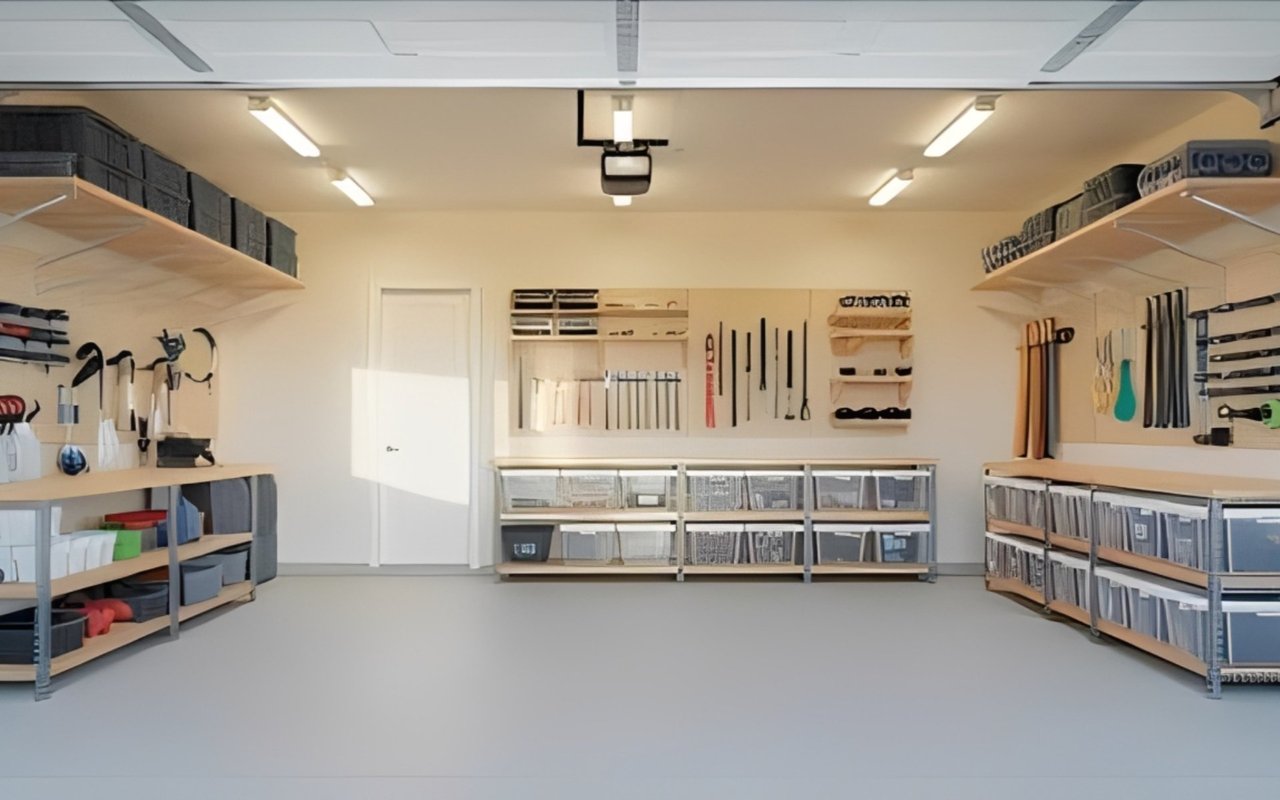
Slatwall panels, pegboards, and overhead racks allow you to store everything from garden tools to seasonal decorations without sacrificing floor space. Overhead storage racks are particularly useful for large, lightweight items, such as empty luggage, camping gear, or holiday bins, that do not need to be accessed daily. Wall-mounted hooks and bins work well for smaller items, including sports equipment or gardening supplies, keeping them visible and easy to grab.
When planning vertical storage, think about how often you need each item. Things you use weekly should stay within easy reach, while items you only need once or twice a year can go higher up or further back. This simple hierarchy keeps your most-used items accessible while still taking full advantage of unused vertical space.
Vertical Storage Options to Consider
- Overhead ceiling racks for bulky, infrequently used items.
- Slatwall or pegboard systems for tools and small equipment.
- Wall-mounted hooks for bikes, ladders, and hoses.
- Cabinet systems that keep chemicals and sharp tools out of reach.
- Magnetic strips for organizing metal tools near a workbench.
Account for Southlake's Climate When Choosing Storage
Summers in North Texas bring intense heat, and garages, which are rarely climate-controlled, can reach temperatures that affect certain stored items. Before you decide where something belongs, consider how heat and humidity might impact it over time.
Items like paint, propane tanks, and electronics can degrade or become unsafe when exposed to extreme heat for extended periods. If your garage tends to run hot during the summer months, it is worth rethinking whether temperature-sensitive items should be stored there at all or whether an interior closet or climate-controlled area of your home would serve them better.
On the storage side, opt for durable, weather-resistant bins and shelving rather than materials that may warp or degrade in fluctuating temperatures. Investing in quality storage containers upfront often saves you from having to replace damaged bins or ruined belongings down the road, which makes the initial cost well worth it for Southlake homeowners.
Climate Considerations for Garage Storage
- Store paint and chemicals in a temperature-stable space when possible.
- Choose plastic bins over cardboard boxes to resist heat and moisture.
- Keep electronics and batteries out of direct summer heat.
- Elevate stored items off the concrete floor to avoid moisture contact.
- Check stored items seasonally for signs of heat or humidity damage.
FAQs
How Long Does It Take to Fully Organize a Garage?
Most homeowners can complete a full garage organization project over a weekend, though larger garages or those with years of accumulated items may take longer. Breaking the project down into phases, such as decluttering one day and installing storage systems the next, makes it more manageable.
What Is the Best Flooring Option for a Garage?
Epoxy coatings are popular among Southlake homeowners because they resist stains, are easy to clean, and hold up well against vehicle traffic. Interlocking floor tiles are another durable option that can be installed without professional help.
Should I Insulate My Garage Door?
Insulating your garage door can help regulate temperature swings, particularly during the hottest months in North Texas. It also tends to reduce noise and can make an attached garage feel more comfortable overall.
How Do I Keep Pests Out of My Garage Storage?
Store food, birdseed, and similar items in sealed, airtight containers rather than their original packaging. Sealing gaps around the garage door and foundation also helps prevent pests from finding their way in.
What Storage System Works Best for a Small Garage?
Vertical storage is especially valuable in smaller garages, since wall-mounted and overhead systems free up floor space that a single-car or compact garage cannot spare. Focus on multi-purpose shelving that maximizes every inch.
Turning Your Garage Into a Space You Actually Enjoy
An organized garage is one of those home improvements that pays off every single day. Instead of navigating around clutter or searching for misplaced tools, you will have a system that works with your lifestyle and keeps everything in its place.
If you are preparing to sell your Southlake home, a clean, well-organized garage can also make a great impression on buyers who are evaluating storage and functionality alongside square footage. It is a detail that often gets overlooked, but it can set a home apart during showings.
Whether you are organizing for your own peace of mind or preparing your Southlake home for the market, our team at Hacker Property Group is here to help you think through every detail that makes a house feel truly move-in ready. Reach out to us today, and let's talk about how we can help you get the most out of your Southlake home.