By Hacker Property Group
Southlake is a city that takes pride in its outdoor spaces, and there's no better extension of that pride than a thriving garden right in your own backyard. Whether you've just moved into a new home and are staring at a blank canvas of lawn or you've lived here for years and always meant to get your hands in the dirt, this guide will walk you through everything you need to know about starting a garden at home. The North Texas climate brings its own set of opportunities and considerations, and knowing how to work with the local growing season is the difference between a garden that struggles and one that truly flourishes.
Gardening for beginners can feel overwhelming at first, but the process becomes far more manageable once you break it into clear, approachable steps. Southlake sits in USDA Plant Hardiness Zone 8a/8b, which means a generous growing window, mild winters by many standards, and summers that reward plants with heat-loving roots. The soil in this part of Tarrant County tends toward clay-heavy composition, which means a bit of prep work upfront pays off enormously down the road.
This guide is designed for the homeowner who has never picked up a trowel, as well as for anyone who's dabbled in container herbs but wants to commit to a real in-ground or raised-bed setup. You'll find practical tips on choosing your location, preparing your soil, picking the right plants for the Southlake climate, and keeping your garden going through the season.
Key Takeaways
- Starting a garden at home in Southlake means working with hot summers and clay-heavy soil that benefits from amendment.
- Choosing the right location for your garden, specifically one with six to eight hours of direct sunlight, sets the foundation for everything else.
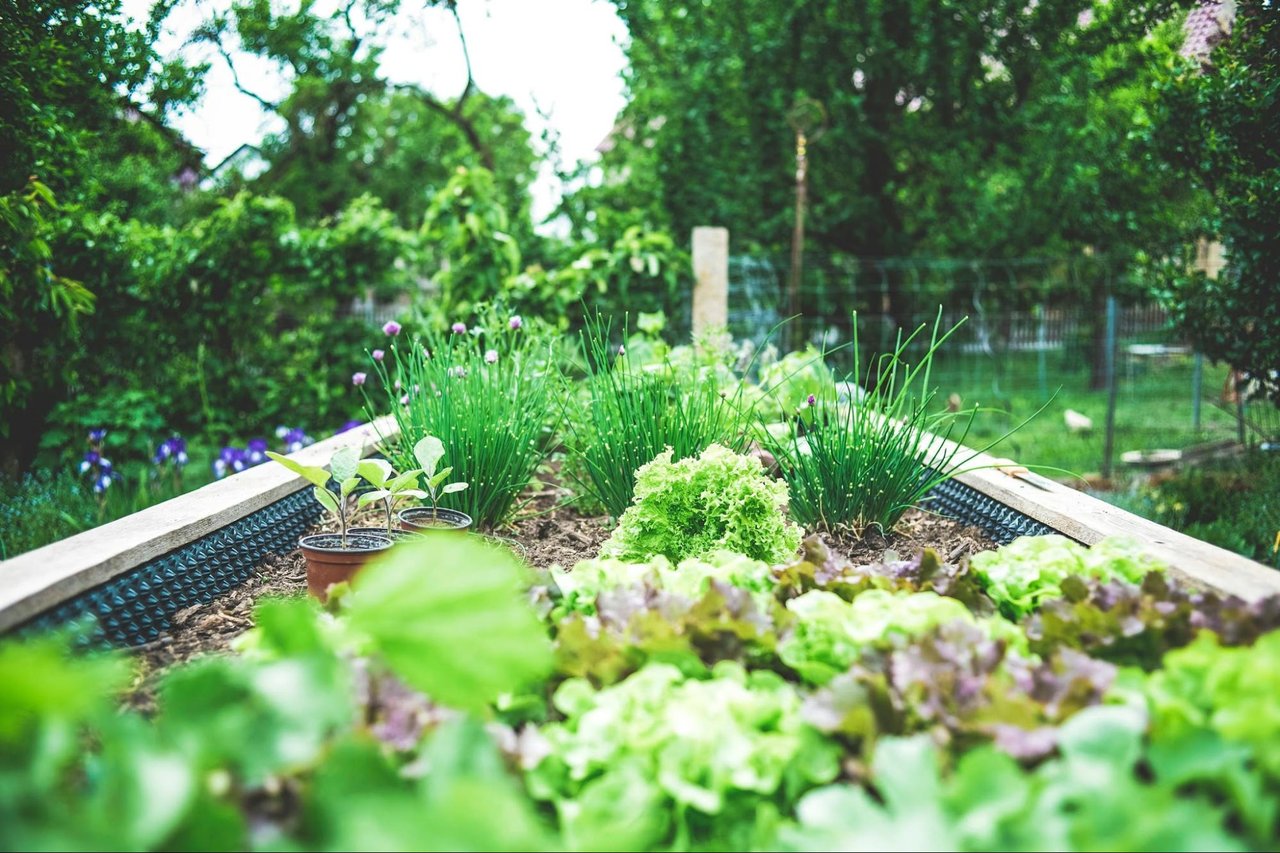
- Raised beds are an excellent option for beginners because they give you full control over soil quality from the start.
- Cool-season vegetables like leafy greens and root crops grow well in early spring and fall, while warm-season crops thrive in the peak Texas summer.
- Consistent watering, mulching, and soil care are the habits that turn a first garden into a long-term success.
Choosing the Right Area in Your Yard
Before you buy a single seed or bag of compost, spend some time observing your yard throughout the day. Sunlight is the single most important variable in home gardening, and most vegetables and flowering plants need a minimum of six hours of direct sun per day, with eight being ideal. Walk your property in the morning, afternoon, and early evening, and take note of where the sun hits and where shade falls. Established trees, fences, and the house itself can cast longer shadows than you might expect, especially in winter and early spring.
Once you've identified the sunniest zones, think about access to water. You'll be watering frequently, especially in the warmer months, so proximity to a hose bib or irrigation connection matters. A spot that requires dragging a hose across the entire yard will quickly become a chore you avoid, which is the last thing a new garden needs. Southlake summers can run hot and dry, so easy access to water isn't a convenience; it's a core part of your garden plan.
Also, consider the terrain. Slightly elevated areas with proper drainage are preferable to low spots where water pools after rain. In heavy clay soils common to this region, pooling water can drown roots and invite disease. If your ideal sunny spot happens to sit in a low area, a raised bed becomes your best solution.
What to Look For When Selecting a Garden Location
- At least six hours of direct sunlight daily, with eight hours preferred for most vegetables and herbs.
- Proximity to a water source, whether a spigot, drip line, or rain barrel setup.
- Proper drainage with no history of standing water after heavy rain.
- Level or gently sloping ground to prevent erosion and uneven watering.
- Enough space to work comfortably around the bed, with access from at least two sides.
Understanding Southlake's Soil and How to Improve It
The soil in North Texas is notoriously clay-heavy, and Southlake is no exception. Clay soil has its advantages; it holds nutrients well and retains moisture, which can reduce watering frequency once plants are established. However, it also compacts easily, drains slowly, and can be difficult to work with when wet. For beginning gardeners, amending the soil before planting is the most important step you can take.
The most effective way to improve clay soil is to add organic matter. Compost, aged manure, and expanded shale are all excellent additions for Southlake gardeners. Work at least two to four inches of compost into the top foot of soil before your first planting season. Over time, this practice builds what soil scientists call "tilth," a loose, crumbly texture that plant roots move through easily. You'll notice the difference in both how your plants grow and how easy the soil is to dig.
If you're starting with a raised bed rather than in-ground planting, you have the advantage of filling it with a custom soil blend from the start. A common recipe used widely across North Texas includes equal parts topsoil, compost, and a drainage amendment, such as expanded shale or perlite. This blend gives you immediate growing success without the years of soil-building work that in-ground gardening requires.
Soil Prep Steps for New Southlake Gardeners
- Test your soil's pH before planting; most vegetables prefer a pH between 6.0 and 7.0, and Southlake soils often run slightly alkaline.
- Add two to four inches of compost and till it into the top 12 inches of native soil before your first season.
- Consider expanded shale as a soil amendment, which is widely available at garden centers and improves drainage in clay without breaking down over time.
- Avoid working clay soil when it's wet; it compacts easily and can form hard clods that are difficult to break up later.
- Mulch the soil surface with two to three inches of wood chips or straw after planting to retain moisture and regulate soil temperature through Southlake's warm summers.
Watering, Mulching, and Keeping Your Garden Going
Once your garden is planted, consistent care makes all the difference. Southlake’s summers are warm and can be dry for stretches, so having a reliable watering strategy matters. Most vegetables need about one inch of water per week, either from rainfall or irrigation. Rather than watering lightly every day, water deeply two to three times per week to encourage roots to grow downward and become more drought-tolerant.
Drip irrigation is widely used in North Texas home gardens because it delivers water directly to the root zone, reduces evaporation, and keeps foliage dry, which helps prevent fungal issues. A basic drip system can be set up for a raised bed for a modest investment and connected to a timer.
Mulch is equally important. A two-to-three-inch layer of straw, shredded leaves, or wood chips spread across the soil surface slows moisture evaporation, regulates soil temperature, and suppresses weeds. In Southlake's summer heat, mulch can mean the difference between plants that stress out and plants that keep producing through the hottest weeks. Reapply mulch as it breaks down to add organic matter back into the soil over time.
Ongoing Garden Care Habits That Pay Off
- Water deeply two to three times per week rather than shallowly every day, encouraging deeper root systems.
- Use drip irrigation or soaker hoses to deliver water directly to roots and reduce leaf wetness that invites disease.
- Mulch the soil surface consistently throughout the season to conserve moisture and moderate temperature.
- Pull weeds while they're small; they compete with your plants for water and nutrients and become much harder to manage once established.
- Feed your garden with a balanced vegetable fertilizer every three to four weeks during the growing season, following package directions for your bed size.
FAQs
What Is the Best Time To Start a Garden in Southlake, Texas?
The best time to start a garden in Southlake depends on what you want to grow. For cool-season vegetables like lettuce, spinach, and broccoli, late February through early March is ideal. For warm-season crops like tomatoes and peppers, wait until after the last frost, typically around mid-March. Southlake also has an excellent fall growing window starting in late August, which many gardeners find more productive than spring.
Do I Need Raised Beds, or Can I Garden Directly in the Ground?
Both approaches work well in Southlake, though raised beds offer some distinct advantages for beginners. Southlake's native clay soil requires significant amendment to support most vegetable crops, and raised beds let you fill them with a custom, high-quality soil mix from the start. In-ground gardening is absolutely an option with proper soil prep, including adding compost and amendments each season, but it typically takes a few years to build ideal soil structure.
What Vegetables Are Easiest To Grow for Beginner Gardeners in North Texas?
Some of the easiest vegetables for Southlake beginners include cherry tomatoes, squash, green beans, basil, kale, and radishes. These crops are forgiving, produce reliably in North Texas conditions, and give beginning gardeners the early wins that build confidence. Radishes are especially rewarding for first-timers because they mature in as little as three weeks.
How Do I Deal With the Clay Soil in Southlake?
The most effective approach is consistent organic matter addition over time. Before each planting season, work two to four inches of compost into the top foot of soil. Adding expanded shale improves drainage permanently. Raised beds filled with a topsoil-compost-perlite blend bypass the clay challenge entirely. Over several seasons of organic matter additions, even native Southlake clay will become significantly more workable.
Your Backyard in Southlake Has More Growing Potential Than You Think
Starting a garden at home is one of the most rewarding steps you can take as a homeowner in Southlake. The key is starting wisely, choosing the right spot, preparing your soil with intention, and picking crops that fit the season. From your first radish pulled from the ground to a summer's worth of tomatoes, every step builds the knowledge and confidence that makes next year's garden even better.
The homes in Southlake come with some of the most generous outdoor spaces in the DFW area, and a well-tended garden adds beauty, value, and a personal touch to any property. Whether you're planning a tidy raised bed on the side yard or a full kitchen garden behind the house, the investment you make in your outdoor space pays dividends in ways that go far beyond what you can harvest.
If you're exploring Southlake real estate and want to find a home with the right outdoor space for your vision, we would love to help you think through what to look for. Reach out to us at Hacker Property Group, and let's find a property that gives your future garden the best possible start.