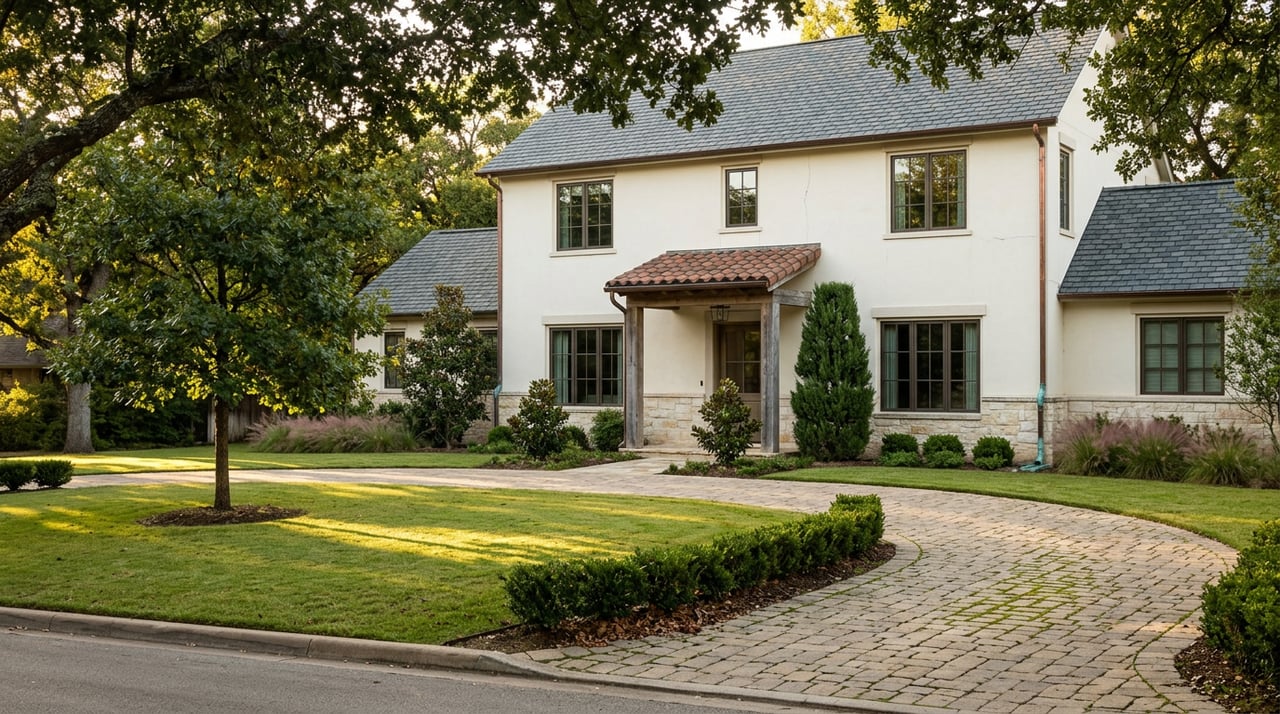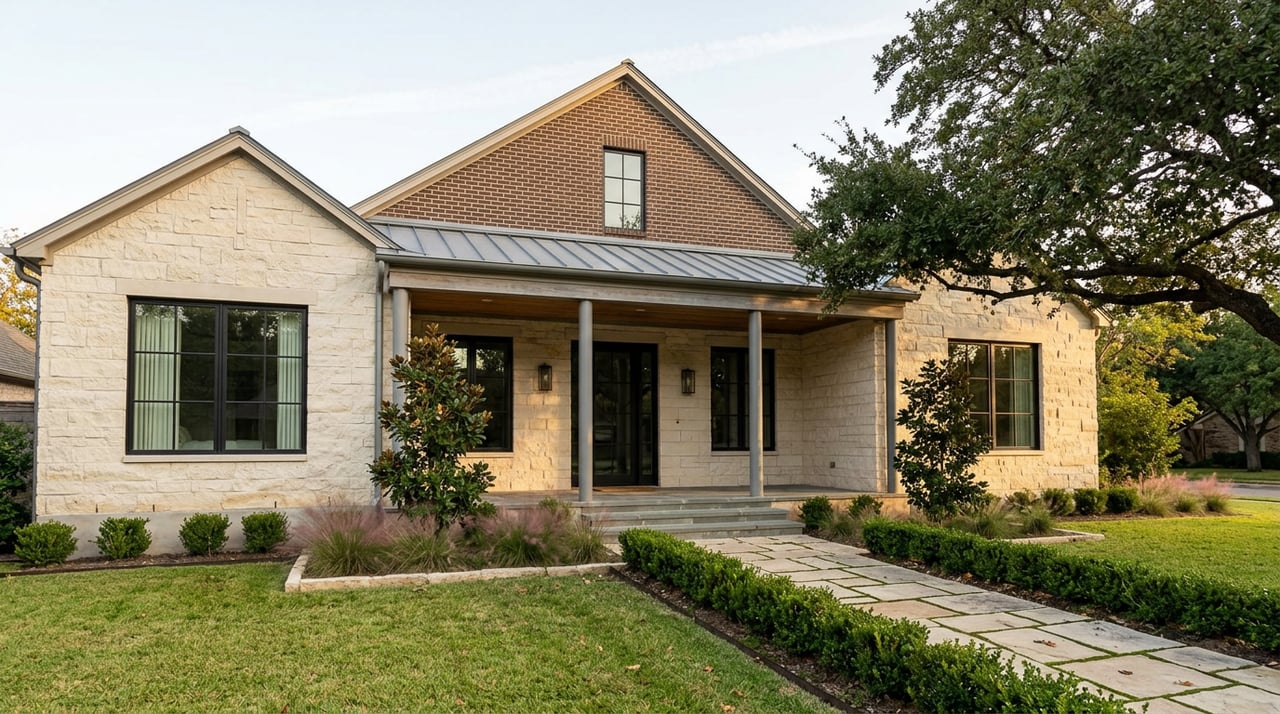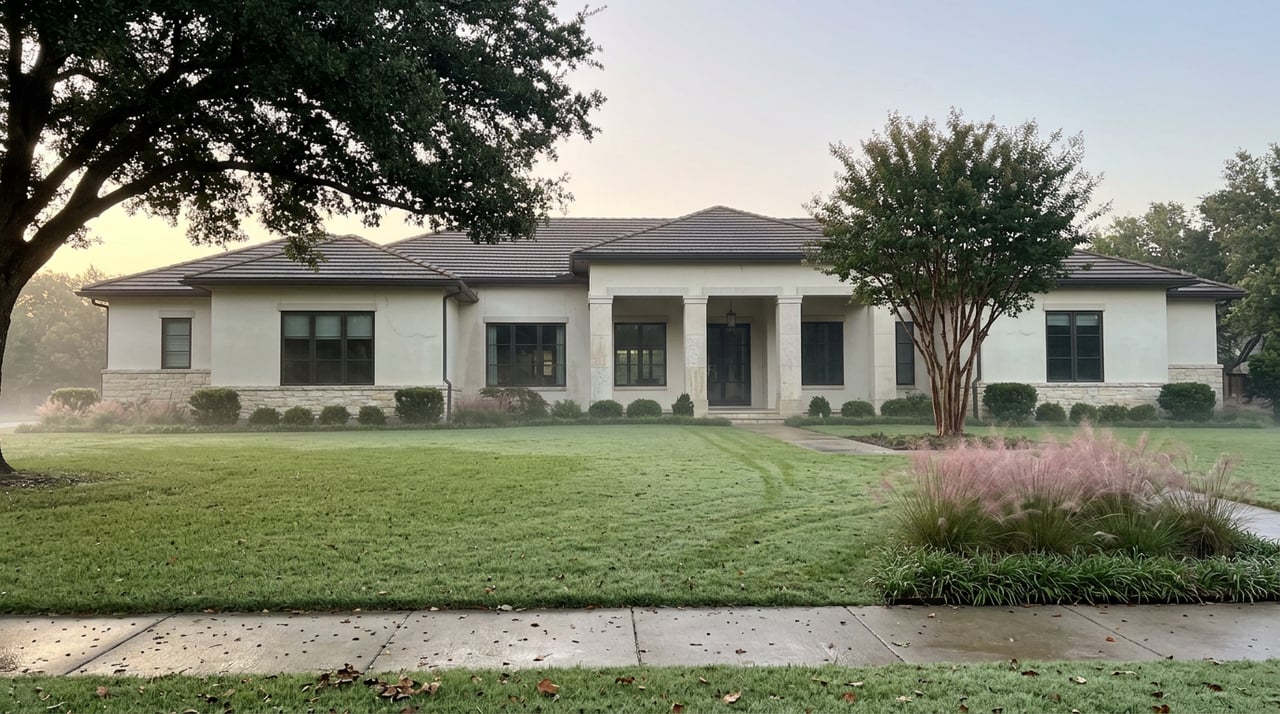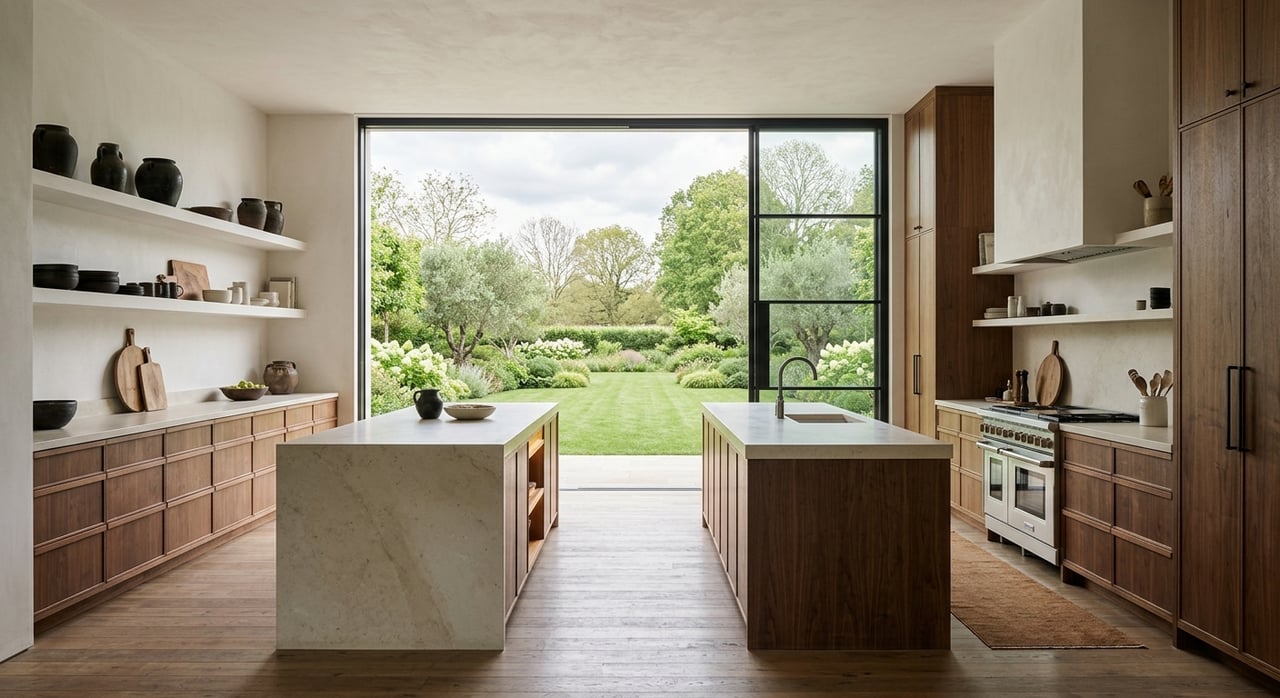
Are you dreaming about more land, more privacy, and a home designed around the way you actually live? If Argyle is on your radar, you are not alone. Many North Texas buyers look to Argyle for its larger homesites, custom-home potential, and small-town setting, but building here takes more homework than buying a typical resale home. This guide will help you weigh the lifestyle, the lot options, and the local build process so you can decide whether Argyle is the right fit for your custom home goals. Let’s dive in.
Why Argyle Stands Out
Argyle offers a very different feel from many master-planned suburban areas in DFW. The town describes itself as a place that values small-town character, natural beauty, and thoughtful growth. You can see that in its wooded terrain, rolling land, and mix of homesites that range from smaller lots to multi-acre custom properties.
For many buyers, the biggest draw is space. Argyle says typical lot sizes are 1 to 2 acres, with many 5 to 10+ acre tracts also available for farming, ranching, and equestrian use. At the same time, newer subdivision developments can offer custom building opportunities on smaller lots, which gives you more than one path into the market.
The numbers also support Argyle’s appeal for long-term homeowners. The Census estimates a 2025 population of 6,372, with a 92.3% owner-occupied housing rate and a median owner-occupied home value of $695,300. Population growth since the 2020 census was 44.9%, which shows that demand and interest in the area have been rising.
Who Argyle Fits Best
Argyle can be a strong match if you want a home that feels more tailored, private, and land-driven than what you may find in denser parts of DFW. It tends to appeal to buyers who are willing to trade a shorter commute for more room and a lower-density setting. The Census reports a mean commute time of 36.4 minutes, so convenience is still part of the story, but not always the main reason people choose it.
You may find Argyle especially appealing if your wish list includes features that can be harder to find in tighter suburban neighborhoods. Think larger setbacks, room for outdoor living, expanded garage space, a pool, hobby space, or a more estate-style layout. The town’s housing profile and zoning patterns support that kind of custom-home thinking.
Argyle may be less ideal if you want a highly simplified, plug-and-play lot purchase with fewer variables. In Argyle, details like platting, utilities, drainage, and whether a parcel sits in town limits or the ETJ can shape what is possible. That does not make it a bad fit. It just means your lot search needs to be careful and informed.
What the Local Setting Feels Like
Argyle positions itself as a small-town community with access to Denton, Fort Worth, and Dallas. The town highlights proximity to business centers, medical facilities, shopping, entertainment, cultural activities, and professional sports. That blend is a big part of the appeal if you want breathing room without feeling cut off from the broader metro.
The community character also matters. Argyle notes that it is known for one of the largest concentrations of equestrian farms in the United States. Combined with its rolling land and larger tracts, that creates a setting that can feel more rural or estate-oriented than many nearby suburbs.
Schools and Long-Term Appeal
For many buyers, school access is part of the decision even if it is not the only factor. Argyle ISD reports 6,616 students across its listed campuses, including four elementary schools, a Sixth Grade Center, Argyle Middle School, and Argyle High School. The town also identifies Liberty Christian School as a local K-12 option.
From a homebuying perspective, this matters because it supports Argyle’s reputation as a place where people often plan to stay. A community with established school infrastructure can feel more like a long-term destination than a short-term stop.
Why Argyle Works for Custom Builds
One reason Argyle stands out is that its local land patterns and zoning are not an afterthought. They actively support larger-lot single-family development in certain areas. That is important if you are trying to build a home that needs more site flexibility.
The town’s SF-1 zoning district is a good example. Argyle states that the minimum lot size in this district is one acre, and the district is intended for detached single-family development. It also notes that water service must be provided by Argyle Water Supply Corporation, and that rural street sections may be used, including open drainage ditches and no sidewalks in some cases.
That tells you something important about the local product. Argyle is not only a resale market with scattered build opportunities. In the right setting, local standards reinforce the estate-home character that many custom buyers are seeking.
The Tradeoff: More Freedom, More Due Diligence
Custom-home buyers often love the idea of picking a lot and designing from scratch. In Argyle, that opportunity is real, but it comes with more moving parts than a standard suburban homesite in a newer tract.
Before you commit to land, you need clarity on a few core issues:
- Whether the parcel is inside town limits or in the ETJ
- Whether the property is already platted
- Whether it qualifies as a legal lot of record
- Whether it has sewer access or will need septic
- What zoning rules, setbacks, and lot standards apply
- Whether grading, drainage, tree protection, or driveway access could affect cost or timing
These are not minor details. In many cases, they shape whether a lot is straightforward, complicated, or simply not the right fit for your build plan.
Start With Town Limits and ETJ
One of the first questions to ask is whether the parcel is inside Argyle town limits or in the ETJ, which is the extraterritorial jurisdiction. Argyle directs buyers to its interactive map and Denton CAD records for this step. The town also states that its subdivision ordinance applies within town limits and in the ETJ.
Why does that matter? Because lot rules, platting requirements, and permitting paths can vary depending on where the property sits. If you skip this step early, you can waste time evaluating a lot under the wrong assumptions.
Platting Can Make or Break a Build
In Argyle, plat status is one of the biggest checkpoints in the process. The town defines a plat as the document that becomes a legal lot of record after approval. It also states that platting is required for any division of land into two or more parcels or for development on previously unplatted contiguous parcels.
A preliminary plat is required on unplatted tracts larger than 10 acres or where streets, drainage, or utilities are involved. A major final plat is used for new streets, municipal facility extensions, or more than four lots. A minor plat may cover up to four lots without a new street or major utility extension.
Most important for buyers, Argyle says no building permit can be issued unless the property has been platted or is otherwise a legal lot of record. If you are looking at land, this is one of the first items to verify.
Utilities Need Early Confirmation
Utilities are another area where assumptions can get expensive. Argyle says it does not provide water connections and directs residents to Argyle Water Supply Corporation. The town is responsible for the public sewer main, while the property owner is responsible for the service line from the sewer tap to the structure.
The town’s materials also make clear that septic remains part of the local building landscape. Because of that, you should confirm each parcel’s sewer-versus-septic situation early in the process. Water access, wastewater setup, and site-specific utility conditions can all affect your budget and timeline.
Permits and Inspections Are Structured
If you imagine Argyle as a relaxed rural setting where the build process is informal, the local requirements tell a different story. The town’s permit process is hands-on and fairly structured. New home construction requires a permit, and contractors must register with the town.
Argyle asks for four sets of plans, four residential energy code compliance reports, four foundation plans, four house plan sets, four grading plans, and four tree removal or protection plan sets. The fee schedule lists a residential building permit at $0.86 per square foot, plus a $100 plan review fee for new single-family residences and separate fees for grading and drainage, mechanical, electrical, plumbing, and septic work.
Inspections are also required before work is covered and again at completion. Argyle notes that one- and two-family dwellings typically go through foundation pre-pour, rough-in, top-out, meter release, and final inspections, along with a final grading certificate.
For you as a buyer, this means planning matters. The right lot, builder team, and timeline can make a big difference in how smooth the process feels.
Questions to Ask Before You Buy a Lot
If you are seriously considering Argyle for a custom build, these are smart questions to ask early:
Buildability Questions
- Is the parcel in town limits or the ETJ?
- Is it already platted?
- Is it a legal lot of record for permitting?
- Will it require a plat, replat, or other land process before construction?
Site and Utility Questions
- Is the lot on public sewer, or will it need septic?
- Who provides water service, and what is required for connection?
- Will the site need meaningful grading, drainage, or erosion-control work?
- Are there tree-protection requirements that could affect the site plan?
- Is driveway access simple, or could access work add cost or time?
Long-Term Planning Questions
- What zoning district applies to the lot?
- What setbacks, lot size rules, and exterior standards apply?
- Are there HOA or deed restrictions that go beyond town standards?
- Could future thoroughfare, utility, or growth-related projects affect access, views, or traffic nearby?
Argyle says its comprehensive plan guides development over the next 5 to 10 years across both the incorporated area and ETJ, and its planning division posts the future land use map and thoroughfare plan. That makes long-range planning worth reviewing before you commit.
So, Is Argyle the Right Spot?
Argyle can be an excellent place to build if you want larger homesites, custom-home flexibility, and a lower-density North Texas setting with practical access to the wider DFW area. It is especially compelling if you care about land, design freedom, and a home that feels more personal than a typical production build.
At the same time, Argyle is not a market where you want to guess your way through a lot purchase. Town limits, ETJ rules, platting, utilities, drainage, and future planning can all materially affect the property you choose. A thoughtful, detail-driven approach is what helps turn a great idea into the right decision.
If you are exploring Argyle or other custom-home opportunities in North Texas, Hacker Property Group brings the kind of local insight, design awareness, and hands-on guidance that can help you evaluate land and move forward with confidence.
FAQs
What makes Argyle appealing for a custom home build?
- Argyle offers larger homesites, a small-town setting, and housing options that range from custom lots in newer subdivisions to multi-acre tracts suited for estate-style living, farming, ranching, or equestrian use.
What should you verify before buying land in Argyle?
- You should confirm whether the parcel is in town limits or the ETJ, whether it is platted, whether it is a legal lot of record, and how water, sewer, septic, drainage, and access will work on that specific property.
What is the SF-1 zoning district in Argyle?
- Argyle states that the SF-1 district is intended for detached single-family development and has a one-acre minimum lot size, which supports the area’s estate-home character.
What utilities should you check for an Argyle custom build lot?
- You should check water service through Argyle Water Supply Corporation and confirm whether the property uses public sewer or will require septic, since utility conditions can vary from parcel to parcel.
What is the permit process like for new construction in Argyle?
- Argyle requires a permit for new home construction, contractor registration, multiple plan sets and reports, and a sequence of inspections that typically includes foundation, rough-in, top-out, meter release, final inspection, and final grading review.
Is Argyle a good fit if you want a simple build process?
- Argyle can be a great fit, but it usually requires more due diligence than a standard suburban resale or fully prepared tract lot because zoning, platting, utilities, and site conditions play a major role in the process.