If you are looking for a place in North Texas that feels connected, convenient, and full of local character, Roanoke deserves a closer look. Many buyers want more than a house. You want a daily lifestyle that feels easy to enjoy, whether that means dinner close to home, a walkable downtown, or simple access to the rest of DFW. Roanoke stands out because it blends a true small-town feel with a dining scene that gives the city a much bigger presence. Let’s dive in.
Why Roanoke Stands Out in DFW
Roanoke is a small city with a strong identity inside the Dallas-Fort Worth area. The latest Census estimate places the population at 10,931, and the city sits in North Central Texas with portions in Denton and Tarrant counties. It is about 23 miles north of downtown Fort Worth and 30 miles west of downtown Dallas.
Location is a big part of the appeal. Roanoke is at Highway 114 and 377, a few miles east of I-35W and about 15 miles from DFW Airport. That gives you access to major employment and travel routes while still living in a community that feels more personal and grounded.
Dining Defines the City
Roanoke calls itself the Unique Dining Capital of Texas, and that identity is backed by the city’s own community information. The city says it has more than 60 restaurants along with unique shops, which makes dining a defining part of local life rather than just another amenity.
That matters if you are trying to picture your everyday routine. In some suburbs, going out to eat can feel repetitive or spread out across busy commercial corridors. In Roanoke, dining is part of the town’s character, which gives the city a stronger sense of place.
Oak Street Is the Heart of It
Historic Downtown Roanoke stretches across nine landscaped blocks along Oak Street. The Rock Building anchors the district as the Visitor Center and Museum, and the downtown district is listed on the National Register of Historic Places.
The city says downtown Roanoke was redeveloped into a thriving shopping, dining, and entertainment destination. That gives the area a true center, which is something many growing suburbs work hard to create but do not always achieve.
A Walkable Core by Design
If you are wondering whether Roanoke is actually walkable, the answer is yes, especially in the Oak Street core. The city’s Oak Street Corridor zoning district specifically calls for sidewalks, street trees, build-to lines, and an integrated transportation pattern that supports driving, walking, and cycling.
In plain terms, that means the walkable feel is not accidental. The city planned for a more connected downtown experience, with spaces that support strolling between shops, restaurants, and gathering spots.
Why That Walkability Matters
A walkable downtown changes how a place feels day to day. It can make dinner plans simpler, coffee runs easier, and weekends more relaxed. Instead of treating local outings like a production, you can enjoy a more compact and social routine.
For many buyers, that is a major quality-of-life advantage. Roanoke’s core reads more like a classic main street environment than a standard strip retail area, which helps explain why the city feels distinctive within the larger metro.
The Restaurant Mix Feels Practical
A strong dining reputation only goes so far if the options are limited to occasional nights out. Roanoke’s restaurant mix appears broad enough to support everyday life, not just celebrations or date nights.
The city’s official dining guide includes coffee shops, bakeries, barbecue, Italian, Lebanese, brewery options, casual family dining, Mexican food, pizza, and more. Examples listed by the city include 151 Coffee, Mug’s Café & Bakery, Vault Coffee, Babe’s Chicken Dinner House, Hard Eight Bar-B-Que, Anderson Distillery & Grill, Cedars Lebanese Restaurant, Inzo Italian Kitchen and Wine Bar, Goat and Raven, and Oak St. Food & Brew.
You Can Build a Routine Around It
What makes that variety meaningful is how concentrated it is. The Downtown Roanoke restaurant directory shows that many of these options are in the core and nearby blocks, which supports a true dine-and-stroll experience.
That means you are not just getting one good dinner spot. You are getting the kind of setting where coffee, lunch, dinner, drinks, and dessert can all fit into the same small area. For buyers who value convenience and local character, that is a real lifestyle benefit.
Small-Town Living Is More Than Restaurants
Roanoke’s dining scene gets most of the attention, but daily life here extends well beyond Oak Street. The city says residents have access to 9 parks, a recreation center with classes and fitness programs, library programming, a community and senior center, a community pool, and access to Hawaiian Falls.
The city also says live musical entertainment is frequently offered downtown on historic Oak Street and at Austin Street Plaza, with special events happening throughout the year. That helps round out the picture of Roanoke as an active community, not just a dining destination.
A Community With Staying Power
Housing and demographic data also suggest Roanoke is more than a pass-through area. Census QuickFacts shows a 54.3 percent owner-occupied housing rate, a median owner-occupied home value of $466,900, a median household income of $97,295, and a median gross rent of $1,783.
The same source shows 85.1 percent of residents were living in the same house one year earlier, with 2.38 persons per household and a mean commute time of 26.8 minutes. Taken together, those numbers point to a relatively stable residential base.
What Homes Fit the Roanoke Lifestyle?
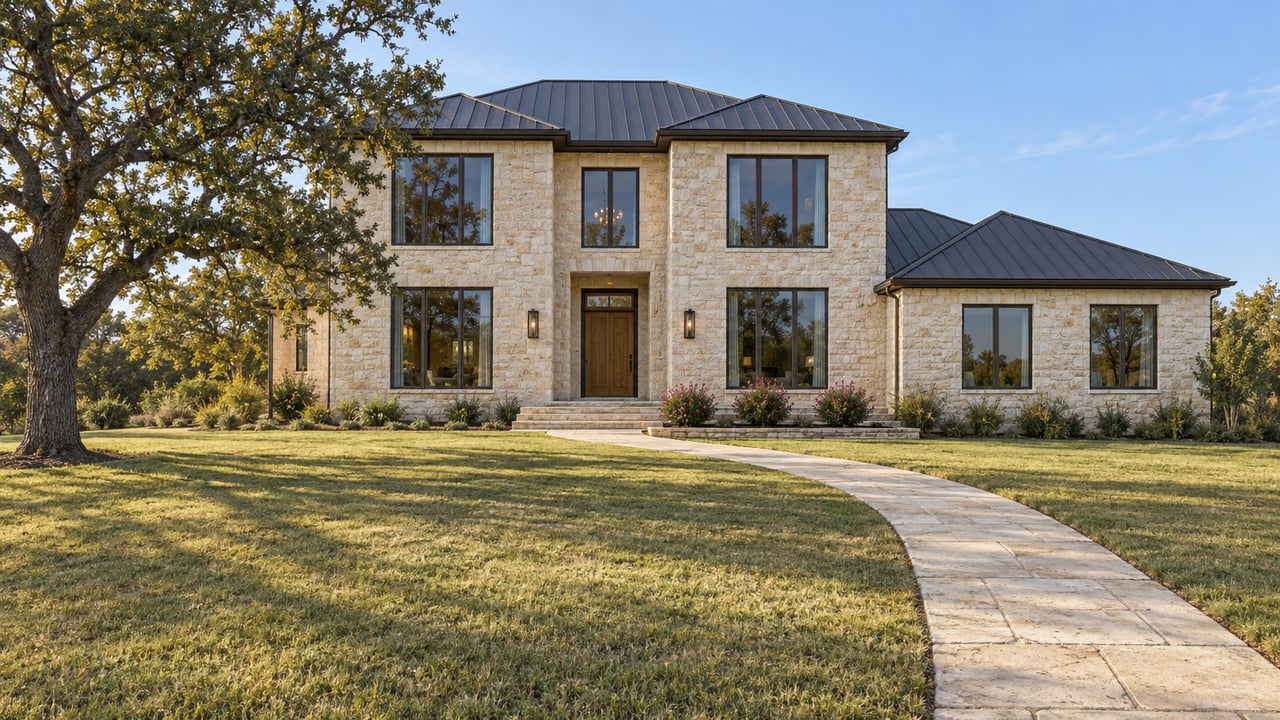
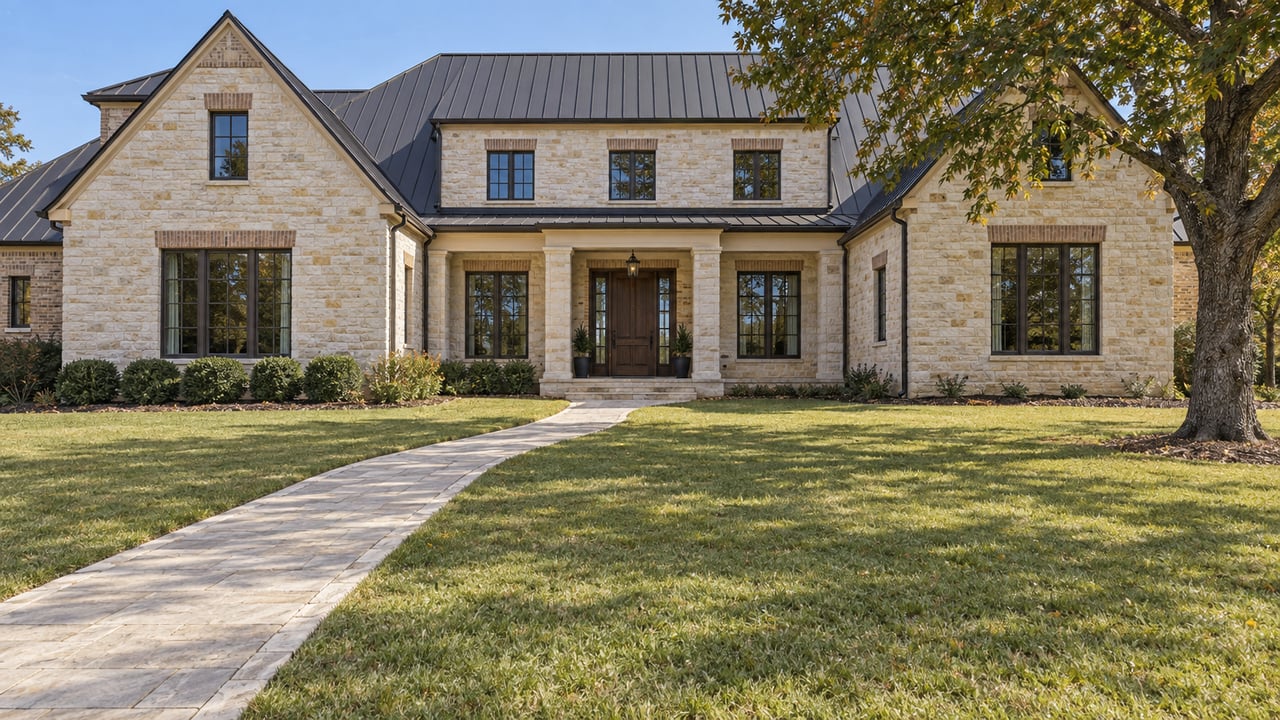
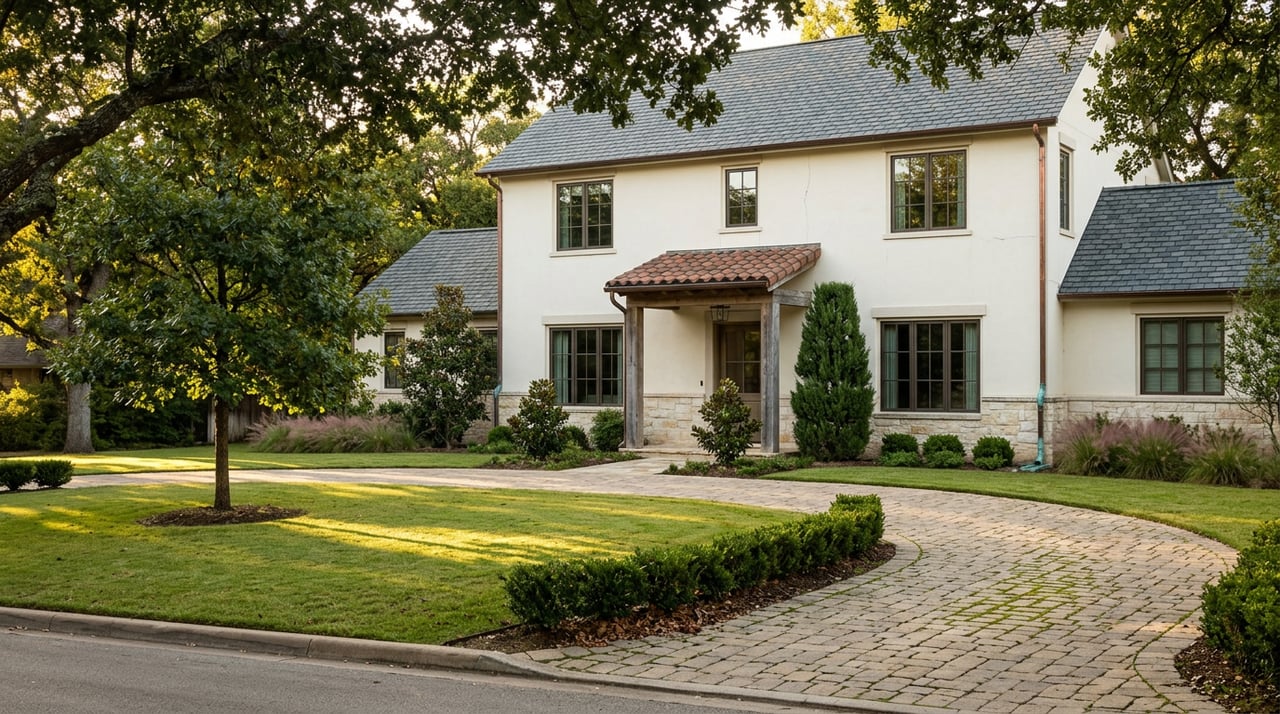
Roanoke offers a few different ways to live, depending on what matters most to you. The city says it includes historic old-town homes, brand-new luxury homes, upscale apartment living, and a variety of reasonable housing options.
That range is useful if you are trying to match your home search with your daily routine. Some buyers may want to be close to Oak Street and enjoy a more walkable setup, while others may prefer a more traditional suburban residential setting farther from the downtown core.
Downtown-Adjacent Living
The Oak Street zoning framework includes a dense residential transition zone as well as civic and mixed-use areas with retail, office, civic, and residential uses. That supports the idea that some homes in and around the core may better suit buyers who want restaurants, events, and downtown activity close by.
If your ideal day includes grabbing coffee, meeting friends for dinner, or enjoying local events without driving far, this type of location may be worth exploring.
Traditional Suburban Options
Roanoke can also appeal to buyers who like the city’s personality but want a more conventional neighborhood setting. The broader housing profile suggests that you are not limited to one lifestyle pattern.
That flexibility is part of the city’s appeal. You can enjoy a recognizable town center and still choose a home style that fits your pace, priorities, and budget.
Schools and Regional Access Add Context
For buyers evaluating the bigger picture, Northwest ISD is part of the conversation. The district says it serves Roanoke and other nearby communities across 234 square miles in Denton, Tarrant, and Wise counties.
That matters because it reinforces Roanoke’s role as a full community within a larger suburban network. It is not simply a downtown entertainment district. It functions as a place where people live, commute, and build long-term routines.
Why DFW Buyers Keep Roanoke on Their List
Roanoke appeals to many North Texas buyers because it offers a combination that can be hard to find. You get a smaller-town feel, a defined downtown, broad dining options, and direct access to key roads across the metro.
For some people, the draw is lifestyle. For others, it is convenience. For many, it is the mix of both, which helps Roanoke feel memorable in a region filled with fast-growing suburbs.
Is Roanoke Right for You?
If you want a suburb with a little more personality and a little more daily ease, Roanoke is worth considering. Its dining scene is real, its downtown is intentional, and its community amenities help support life beyond weekends and special occasions.
Whether you are relocating within DFW or narrowing your search among North Texas suburbs, Roanoke offers a lifestyle that feels both practical and distinctive. If you want help comparing Roanoke with nearby communities or finding the right home fit for how you actually live, connect with Hacker Property Group.
FAQs
Is Roanoke, Texas walkable for daily life?
- Yes. The Oak Street core was intentionally planned with sidewalks, street trees, and a transportation pattern that supports walking, cycling, and driving.
Is Roanoke only known for restaurants?
- No. In addition to its dining scene, Roanoke offers parks, recreation programs, library programming, a community pool, downtown entertainment, and special events throughout the year.
What types of homes can you find in Roanoke, Texas?
- The city says Roanoke includes historic old-town homes, brand-new luxury homes, upscale apartment living, and a variety of other housing options.
Why do DFW buyers consider moving to Roanoke?
- Roanoke combines a small-town feel, a destination downtown, broad dining options, and convenient access to Highway 114, 377, I-35W, and DFW Airport.
Does Roanoke, Texas have access to schools and commuter routes?
- Yes. Roanoke is served by Northwest ISD, and the city’s location near major highways supports access across the Dallas-Fort Worth area.